



Eduardo Porter
Georgetown Americas Institute

The world is at an inflection point. The political and economic underpinnings of many affluent nations are coming loose, as discontent over the distribution of the spoils of globalization fuels political unrest—magnified by an ethno-nationalist backlash against large migration flows. The policies inspired by these dynamics increasingly clash with the cosmopolitan world economy built over the last half century and with the liberal democratic order that enabled it.
The consequences are particularly troubling in the United States, as it turns against the institutional architecture it built in the aftermath of World War II—an architecture that has shaped the global order since the end of the Cold War. China, meanwhile, has become a direct challenge to American hegemony, acquiring economic, technological, and military capabilities that could soon rival those of the United States. Moreover, China’s political system and large domestic savings allow it to operate aggressively and quickly in the international and financial arena, unleashing new geopolitical conflicts that will affect every country on earth.
These political riptides are gaining force as the world is threatened by climate change, and as civilization awaits—almost with bated breath—the development of artificial intelligence. AI’s capabilities remain hard to evaluate, yet it is already generating era-defining technologies that may upend the global economic and political order.
We are staring down a path with multiple possible futures. It offers promise, but also inspires dread. One might paraphrase Karl Polanyi’s opening line in The Great Transformation (1944) —“Twentieth Century Civilization has collapsed”—or recall Antonio Gramsci’s famous warning: “The old world is dying, and the new world struggles to be born: now is the time of monsters.”
In this context, this series of events will explore the specific challenges for Latin America. The region has historically lived in the shadow of the United States while drawing closer to China. It possesses vast natural resources yet continues to search for a path toward equitable and sustained prosperity. It is a heterogeneous set of countries with a shared history, split by deep rivalries, yet strengthened by the enduring idea of a regional identity. It is imperative that Latin American leaders confront these forces of transformation with clear eyes.
With this series, the Georgetown Americas Institute seeks to give continuity throughout 2026 to the topics and conversations that emerge in its annual Americas and the World Forum. Speakers will examine how shifting long-term currents are affecting the world, their potential impact on Latin America, and how the region should adapt and react. Series convenors Eduardo Porter and Alejandro Werner will interview leading thought leaders to deepen our understanding of this historical moment.
Georgetown Americas Institute

Georgetown Americas Institute

The Western Hemisphere is undergoing rapid transformation as the United States recalibrates its national security priorities in Latin America amid shifting geopolitical pressures, making regional…
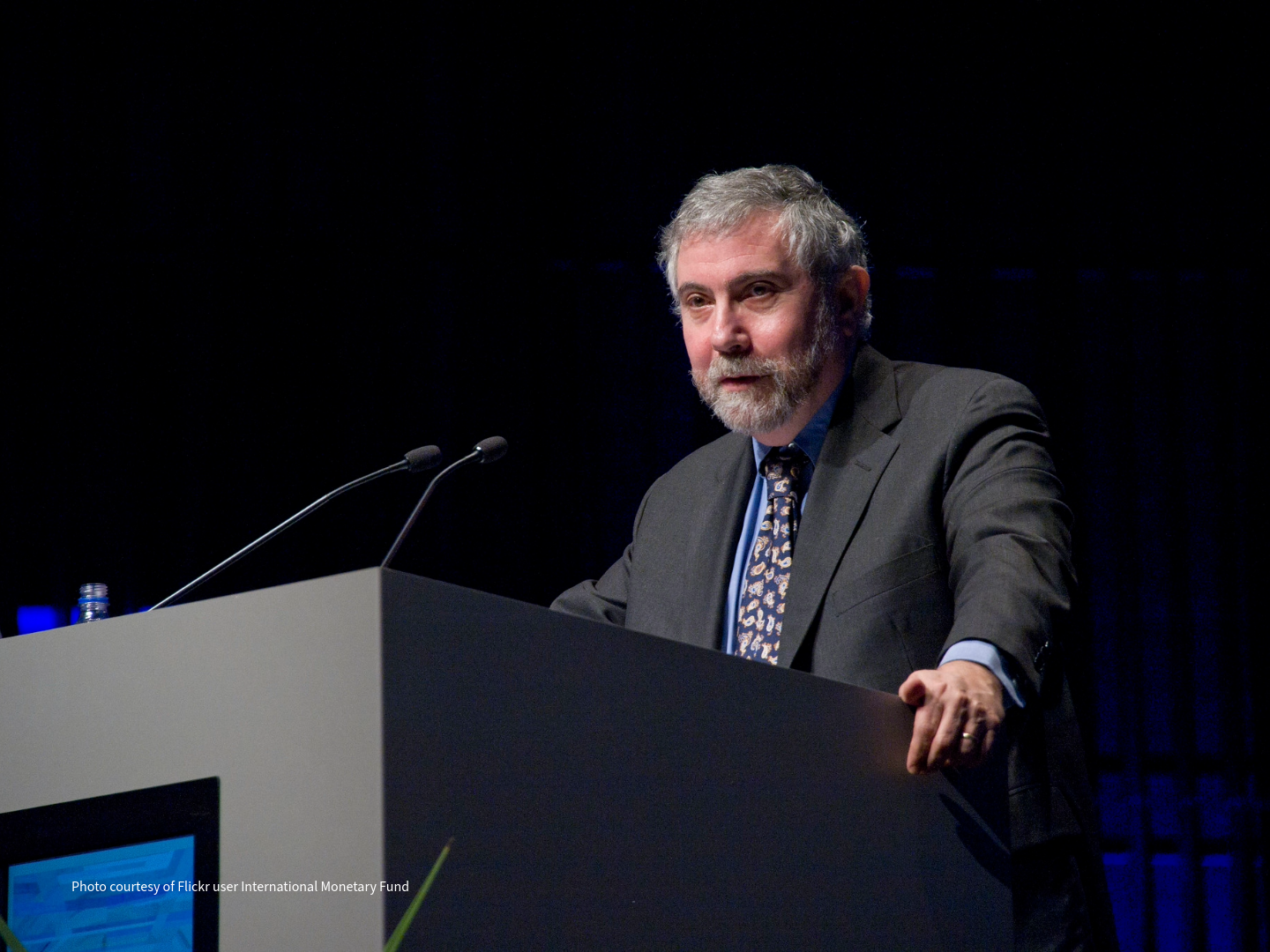
The Georgetown Americas Institute is pleased to host Paul Krugman to explore the challenge posed by the United States' turn against the liberal world order it helped build in the aftermath of World…
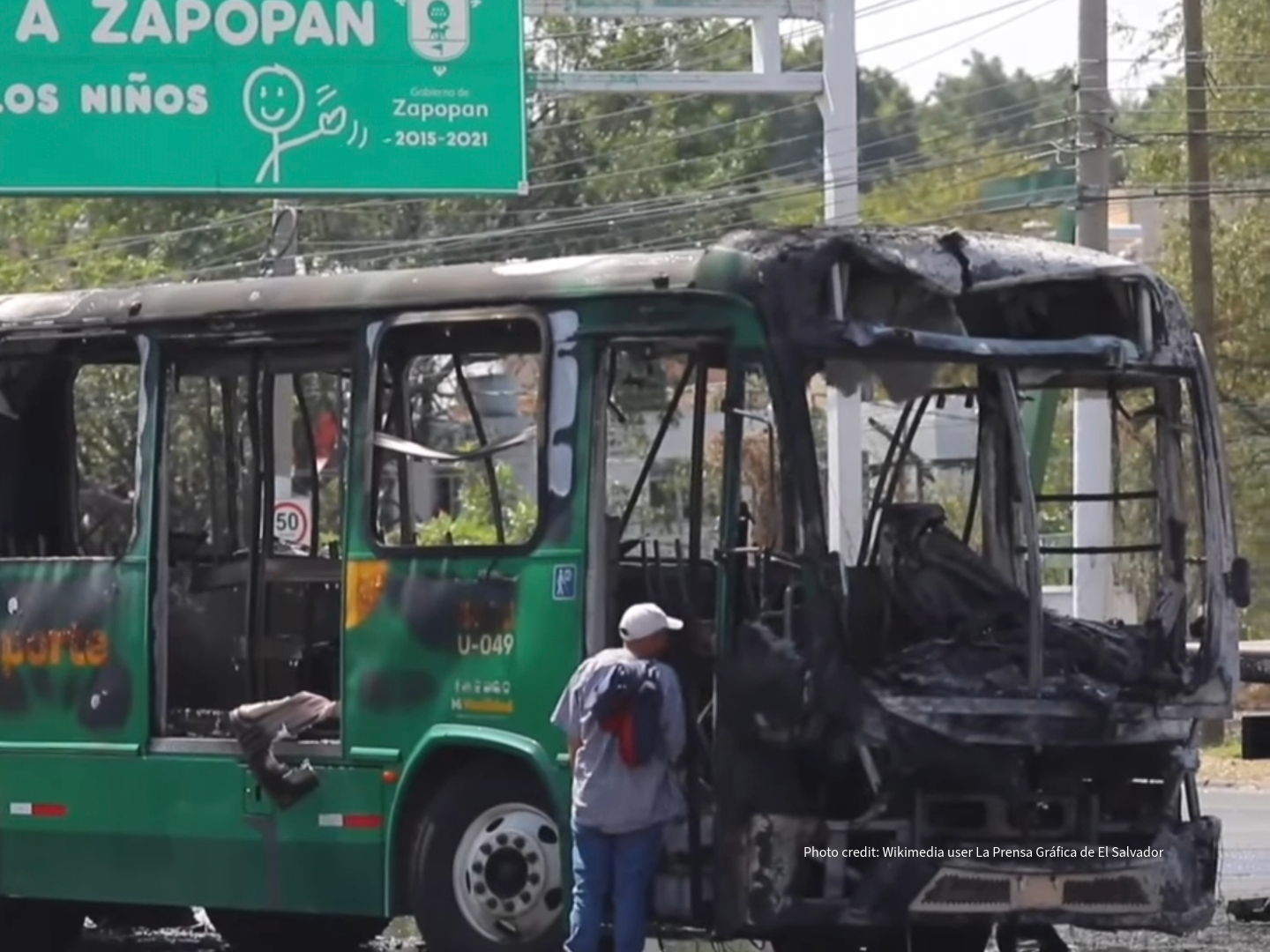
The Georgetown Americas Institute is pleased to host Lucia Dammert, professor of international relations at the Universidad de Santiago de Chile, for an expert conversation on public security,…

The Georgetown Americas Institute is pleased to host Andres Velasco, dean of the School of Public Policy at the London School of Economics and Political Science, for a conversation exploring the…

The world is at an inflection point. The political and economic underpinnings of many affluent nations are coming loose, as discontent over the distribution of the spoils of globalization fuels…